When MI started its business in India

XIAOMI

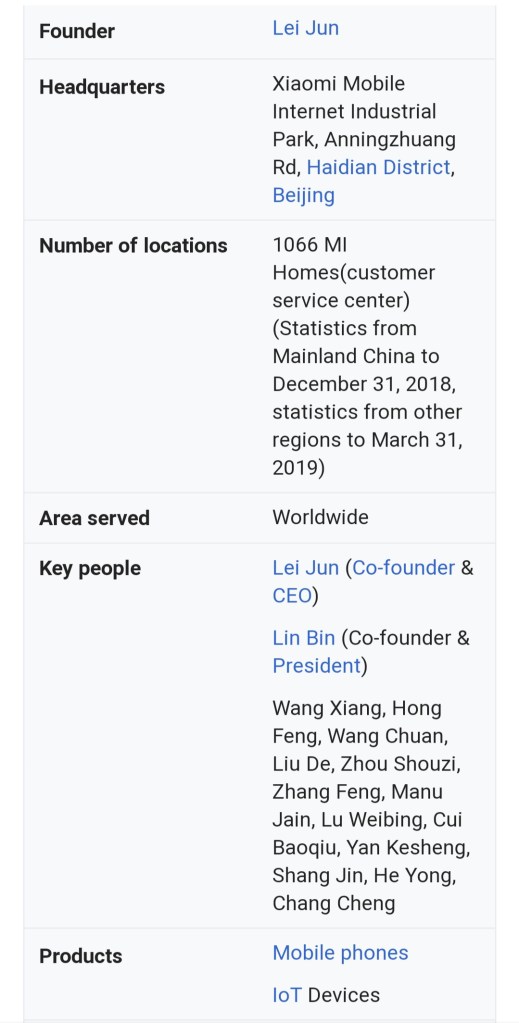
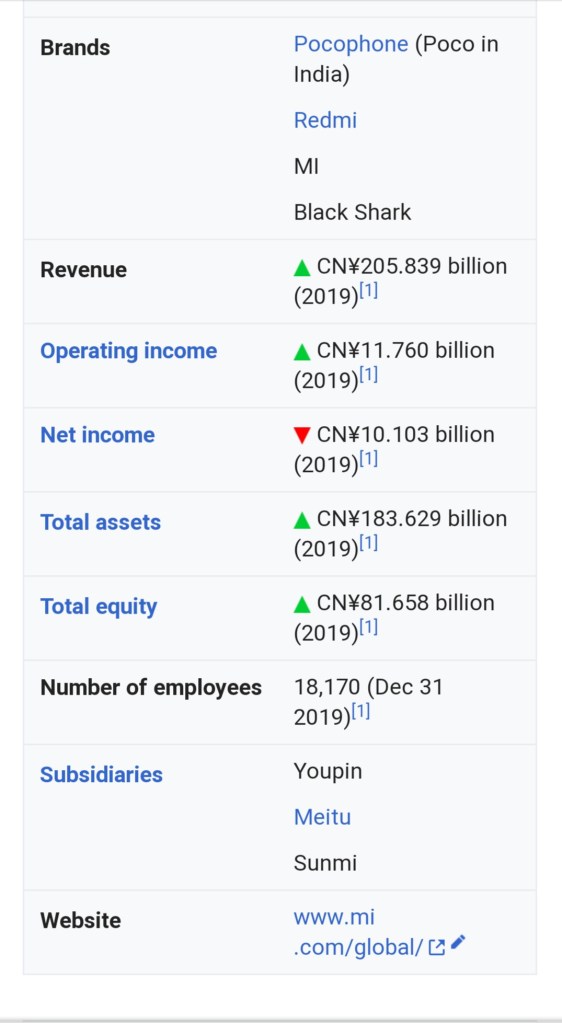
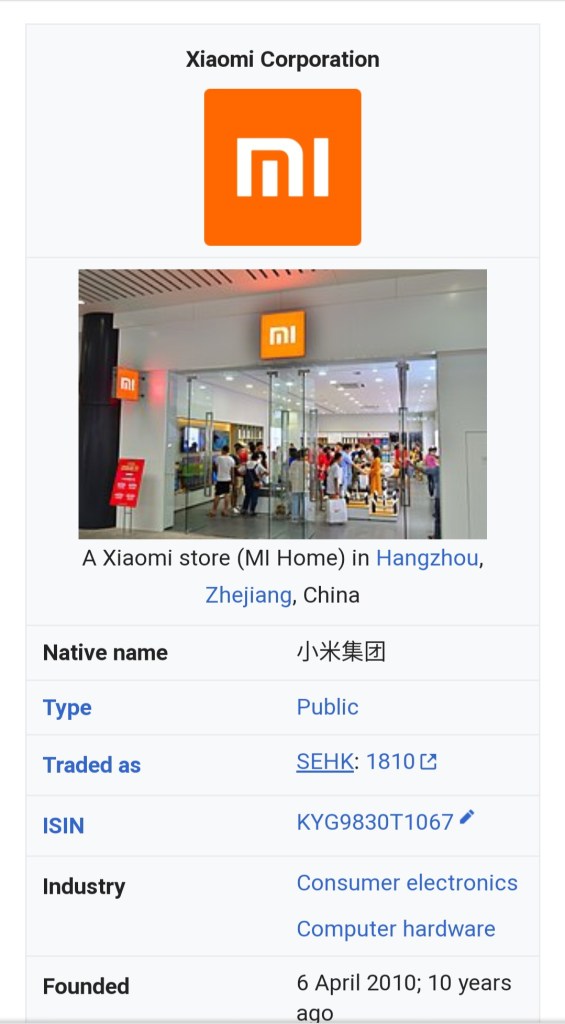
Xiaomi Corporation (/ˈʃaʊmiː/;[2]Chinese小米[ɕjǎu.mì] (listen)) is a Chinese electronics company founded in April 2010 and headquartered in Beijing. Xiaomi makes and invests in smartphonesmobile appslaptops, bags, earphones, shoes, fitness bands, and many other products.[3] Xiaomi is also the fourth company after AppleSamsung and Huawei to have self-developed mobile phone chip capabilities.[4]

ABOUT XIAOMI
Xiaomi released its first smartphone in August 2011 and rapidly gained market share in China to become the country’s largest smartphone company in 2014.[5] At the start of second quarter of 2018, Xiaomi was the world’s fourth-largest smartphone manufacturer,[6][7][8] leading in both the largest market, China, and the second-largest market, India.[9] Xiaomi later developed a wider range of consumer electronics, including a smart home (IoT) device ecosystem, which has connected more than 100 million smart devices.[10][11][12][13] Monthly active users (MAUs) of MIUI increased to 291.6 million in September 2019.[14]

Xiaomi has 16,700 employees[15][failed verification] worldwide. It is expanding to other markets including Greater China, India, Japan, Russia, South Korea, South Africa and most countries and regions in Southeast Asia and Western Europe.[16][17] According to Forbes magazineLei Jun, the founder and CEO, has an estimated net worth of US$12.5 billion.[18] Xiaomi is the world’s 4th most valuable technology start-up after receiving US$1.1 billion funding from investors, making Xiaomi’s valuation more than US$46 billion.[19] Ranked 468th, Xiaomi is the youngest company on Fortune Global 500 list for 2019.[20] In 2019, Xiaomi’s mobile phone shipments reached 125 million units,[21] ranking fourth globally and first in India since 2018. The company was listed at the Hong Kong Stock Exchange since 2018.

HistoryEdit

Learn moreThis section may require cleanup to meet Wikipedia’s quality standards. The specific problem is: undue excess details merged in from history article needs trimming.

2010Edit

On 6 April 2010 Xiaomi was co-founded by Lei Jun and six others:

  • Lin Bin, vice president of the Google China Institute of Engineering
  • Dr. Zhou Guangping, senior director of the Motorola Beijing R&D center
  • Liu De, department head of industrial design at the Beijing Institute of Technology
  • Li Wanqiang, general manager of Kingsoft Dictionary
  • Wong Kong-Kat, principal development manager
  • Hong Feng, senior product manager for Google China

In the first round of funding, institutional investors included Temasek HoldingsIDG Capital, Qiming Venture Partners[22] and Qualcomm.[23]

On 16 August 2010, Xiaomi officially launched its first Android-based firmware MIUI.[24] It resembles Samsung’s TouchWiz and Apple’s iOS.

2011Edit

The Xiaomi Mi 1 smartphone was announced in August 2011. The device had Xiaomi’s MIUI firmware along with Android installation. The first Xiaomi Mi 1 smartphone was then commercially appeared in Asia and East Asia technological markets.[25]

2012Edit

In August 2012, following the first version of smartphone, Xiaomi Corporation announced its new device called Xiaomi Mi 2 smartphone. It was improved from the previous version by updating the new firmware with the most updated Android Version. [26]

2013Edit

On 5 September 2013, Xiaomi CEO Lei Jun announced plans to launch an Android-based 47-inch 3D-capable Smart TV,[27] which will be assembled by Sony TV manufacturer Wistron Corporation of Taiwan.[28] The company explained the choice as to take advantage of Wistron’s skill as a supplier of Sony.[29]

In September 2013, Xiaomi announced its Mi 3 phone.[30]

By October 2013 Xiaomi was the fifth-most-used smartphone brand in China.[31]

In 2013 it sold 18.7 million smartphones.[32]

2014Edit

In 2014 Xiaomi announced its expansion outside China, with their first international headquarters in Singapore. Future product launches and activities in the region will be set up there.[33] Following Singapore, the company opened in Malaysia, Philippines and India,[34] and plans to enter Indonesia, Thailand, Russia, Turkey, Brazil and Mexico in the following months.[35]

On 21 February 2014 Xiaomi’s Redmi and Mi 3 phone were released in Singapore.[36][37] The Xiaomi Mi 3 batches were sold out within 2 minutes of the opening day sale in Singapore.[38]

In March 2014, Xiaomi Store Australia (an unrelated business) began selling Xiaomi mobile phones online in Australia through its website, XiaomiStore.com.au.[39] However, they traded for only a few months, as Xiaomi soon “requested” that the store be shut down on (or by) 25 July 2014.[39] Shortly after sales were halted, the website itself was also taken down, on 7 August 2014.[39] An industry commentator described the action by Xiaomi to get the Australian website closed down as unprecedented, saying, “I’ve never come across this [before]. It would have to be a strategic move.” [39] At the time this left only one online vendor selling Xiaomi mobile phones into Australia, namely Yatango (formerly MobiCity), which was based in Hong Kong[39] — although this business closed in late 2015.[40]

On 17 March 2014, Redmi Note phablet was announced by Xiaomi CEO Lei Jun.[41]

In April 2014 Xiaomi purchased the Internet domain mi.com for a record US$3.6 million, the most expensive domain name ever bought in China, replacing xiaomi.com as the official Xiaomi domain.[42]

In November 2014 Xiaomi said it would invest US$1 billion in television content building.[43]

In December 2014 Xiaomi completed a round of equity financing led by Hong Kong-based technology fund All-Stars Investment Limited, a fund run by former Morgan Stanley analyst Richard Ji[44][45] raising over US$1 billion, with a valuation of more than US$45 billion making it one of the most valuable private technology companies in the world.[46]

The company sold over 60 million smartphones in 2014.[47]

2015Edit

In April 2015 Xiaomi announced it would make its Mi devices available through two of India’s major e-commerce sites and through offline retailers for the first time.[48]

On 23 April 2015, Xiaomi CEO Lei Jun and VP Hugo Barra came together to announce a new smartphone named Mi 1s in India, the first phone to be launched in India before any other country. The Xiaomi Mi Band was also launched in the same event.

On 27 April 2015, it was reported Ratan Tata had acquired a stake in Xiaomi.[49][50]

On 30 June 2015, Xiaomi announced its expansion into Brazil with the launch of locally manufactured Redmi 2; it is the first time the company assembled a smartphone outside of China.[51]

2016Edit

On 24 February 2016, Xiaomi launched the Mi 5 smartphone.

On 9 March 2016, Xiaomi launched its Redmi Note 3 in India. It was a groundbreaking smartphone at the time in the budget segment and was well received by Indian customers. It made record sales on the year, and the Xiaomi brand name continued to grow.

On 10 May 2016, Xiaomi launched the Mi Max.[52][53]

Shortly after starting operations in Brazil the company left the country in the second half of 2016.[54]

In July 2016 Chinese artists as Liu ShishiWu Xiubo and Liu Haoran became the first ambassadors of Xiaomi’s Redmi series in China.[55]

In August 2016 Xiaomi entered Bangladesh via Solar Electro Bangladesh Limited.[56]

In September 2016 Xiaomi’s cell phones became officially available in the European Union through their partnership with ABC Data.[57]

2017Edit

On 20 February, Xiaomi officially launched in Pakistan and brought its Mi and Redmi Note lineup to the country.[58]

On 19 April, Xiaomi launched Mi 6, its flagship phone at the time.

In May, Xiaomi opened two MI Home stores; one in Bangalore (India) and one in Bangladesh. It is the first of several planned for the region.[59]

On 25 May, Xiaomi released Mi Max 2.

On 26 August, new MIUI v9 alongside Mi 5x has been released.[60]

On 31 August, Xiaomi opened its first flagship Mi Store in Faisalabad, Pakistan.[61]

On 5 September Xiaomi released Mi A1, which is the first Android One smartphone under the slogan: Created by Xiaomi, Powered by Google. In the event keynote Xiaomi stated they started working with Google for the Mi A1 Android One smartphone almost six months ago. An alternate version of the phone is also available with MIUI and is known as MI 5X.

In September Xiaomi released Mi MIX 2[62]

In October, the EU‘s first Mi Store has been opened in Athens, Greece.[63]

On 7 November, Xiaomi started operating in Spain, making available the Mi A1 and Mi Mix 2 smartphones.[64]

In Q3 2017, Xiaomi overtook Samsung to become the number one smartphone brand in India. Xiaomi has sold 9.2 million units during this period.[65]

2018Edit

On 20 February, Xiaomi opened their first Mi Store in the Philippines.[66]

In March 2018, at China’s annual legislative session in Beijing, Xiaomi CEO Lei Jun announced that Xiaomi has “always been considering entering the US market” and will launch in the US smartphone market by late 2018 or early 2019. Xiaomi already sells assorted items in the US such as power banks and Bluetooth speakers.[67]

On 3 April 2018, Xiaomi launched the Mix 2S model which is a successor of Mix 2.[68]

On 25 April 2018, Xiaomi launched the Mi 6X, a successor of Mi 5X.

On 22 May 2018, Xiaomi will open, in Paris, its first French store.[69]

On 26 May 2018, Xiaomi will open, in Arese Mall (Milan), its first Italian Mi Store.

On May 3, 2018, Xiaomi filed to go public on the Hong Kong Stock Exchange and aims to raise $10 billion in IPO which is expected to be the world’s biggest IPO raise since 2014.[70]

On May 3. 2018, Xiaomi announced in partnership with 3 (telecommunications) to sell smartphones in the United Kingdom, Ireland, Austria, Denmark, and Sweden[71]

In May 2018, Xiaomi began selling some of their smart home products in the United States through Amazon.[72]

In July 2018, Xiaomi opened its office in Bangladesh with a view to establishing a manufacturing plant within the next couple of years. [73]

In September 2018, Xiaomi launched its 4th ‘Mi Home’ experience store in India.[74] They also launched their products in the UK, offering UK customers to purchase without customs fees.

2019Edit

In March 2019, Xiaomi partnering with AMTD obtained one of the eight virtual bank licenses in Hong Kong.[75] The company also has introduced Xiaomi Mi 9 phone which has a fingerprint scanner in its display.[76]

Business modelEdit

A Xiaomi Exclusive Service Centre for customer support in Kuala Lumpur.

Lei Jun, Xiaomi’s CEO, said that the company prices the phone almost at bill-of-material prices,[88][89] without compromising the component quality and performance compared to other premium smartphones.[90] It also profits by selling phone-related peripheral devices, smart home products, apps, online videos and themes.[91][92] According to Xiaomi’s Hugo Barra in 2014, the company sees hardware sales as a means of delivering software and services in the long term, “We are an Internet and a software company much more than a hardware company.”[93] However, financial data available at the time indicated that this is either wishful thinking or plans for the far future: 94% of the company’s revenue came from mobile phone sales, an even higher proportion than Apple.[90]

At first, to reduce overhead costs, Xiaomi did not own any physical stores, selling exclusively from its online store. In recent years, they have opened 54 brick and mortar stores to combat the strategies of other low-cost competitors in Chinese markets. It also did away with traditional advertising and relies on social networking services and word-of-mouth to publicize its products.[94]

By keeping a tight control over its stock, Xiaomi is able to place cheaper batch orders as demand dictates. Limited availability flash sales ensure that supply never outstrips demand and helps promote its products. In contrast, traditional OEMs incur large upfront productions costs, which must be recouped by selling prices, in order to ship phones, some of which may not sell, out to retailers all around the world.[95]

Xiaomi say that they listen closely to customer feedback, having them test out upcoming features themselves, and building an extensive online community.[96] Lei Jun described it this way, “When I was with Kingsoft, I had the opportunity to work with Nokia and Motorola, two mobile phone giants of their time. One day, I pointed out to their R&D boss, some inadequacies. After that, they merely acknowledged my input but never acted upon what I had said. So I thought to myself, if I make a phone, you can tell me anything you wish for it or what’s wrong. If it is justifiable, we will work on it immediately. I’ll give you an update every week and you may even see your wishes come true within a week.”[90][97] In practice, Xiaomi’s product managers spend a lot of time browsing through the company’s user forums. Once a suggestion is picked up, it is quickly transferred to the engineers. Therefore, features can turn from a mere concept to shipping products within a week. The company then ships a new batch of phones out every week on Tuesday at noon Beijing time, containing the new software builds and possible minor hardware tweaks. Xiaomi calls this process “design as you build.”[98]

Xiaomi’s mascot, Mitu, is a white rabbit wearing an Ushanka (known locally as a “Lei Feng hat” in China) with a red star and a red scarf around its neck.[99][100]

History of Vivo Mobile

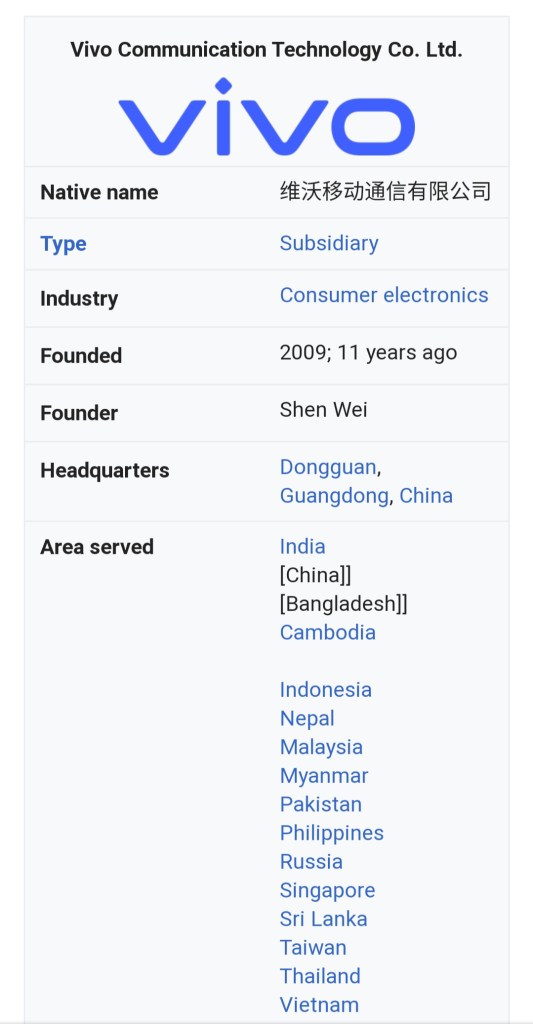
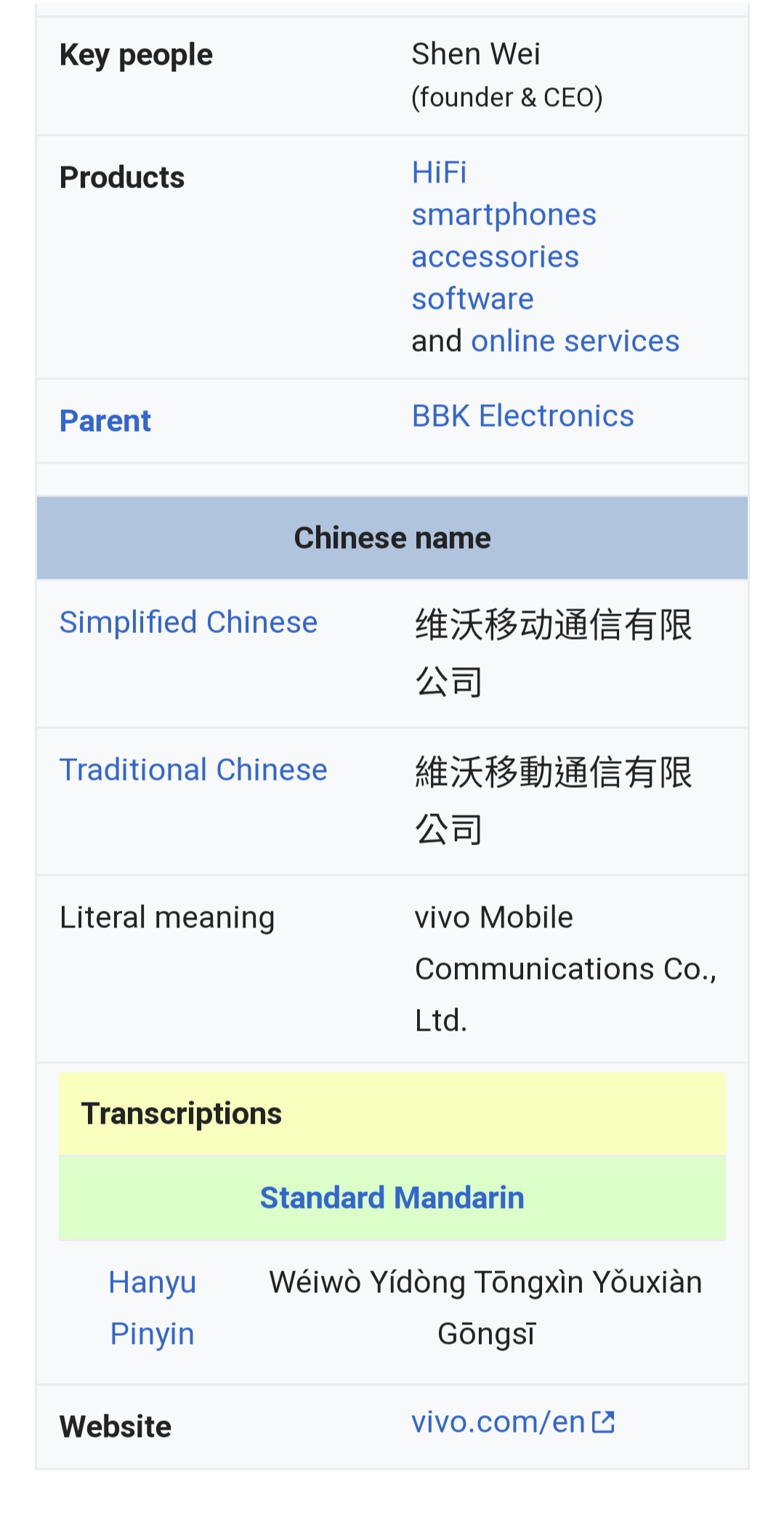
Vivo Communication Technology Co. Ltd. is a Chinese technology company owned by BBK Electronics that designs and manufactures smartphones and smartphone accessories in China, software and online services. BBK Electronics also owns OppoRealme and OnePlus. The company develops software for its phones, distributed through its vivo App Store, with iManager included in their proprietary, Android-based operating system, Funtouch OS.

Vivo was founded in 2009, in Dongguan, China, and was named for the Esperanto word for “life”.[citation needed]

In the first quarter of 2015, vivo was ranked among the top 10 smartphone makers, achieving a global market share of 2.7%.[2]

VivoEdit

Since its founding in 2009, vivo has expanded to over 100 countries around the world. International expansion began in 2014, when the company entered the Thai marketplace.[3] vivo quickly followed up with launches in IndiaIndonesiaMalaysiaMyanmarPhilippinesThailand, and Vietnam.

In 2017, vivo entered the smartphone market in RussiaSri LankaTaiwanHong KongBruneiMacauCambodiaLaosBangladesh, and Nepal.[4][5][6][7] In June 2017, it entered the Pakistan mobile phone market and the vivo brand is currently experiencing rapid growth in popularity in the country.[8][9]

On 26 November 2017, vivo entered the Nepali market with its Y53 and Y65 models.[10] In 2019, it started operations in the Middle East.

MarketingEdit

vivo Mansion in Nanjing, China

In October 2015, vivo became the title sponsor of the Indian Premier League under a two-year deal starting in the 2016 season.[11][12] In July 2017, the deal was extended until 2022.[13]

In June 2017, vivo reached a sponsorship deal with FIFA to become the official smartphone brand of the 2018 and 2022 FIFA World Cups.[14] The company also became a title sponsor of India’s Pro Kabaddi.[15]

vivo has a sponsorship deal with the NBA in China, with Golden State Warriors player Stephen Curry endorsing the brand in China and the Philippines.[16]

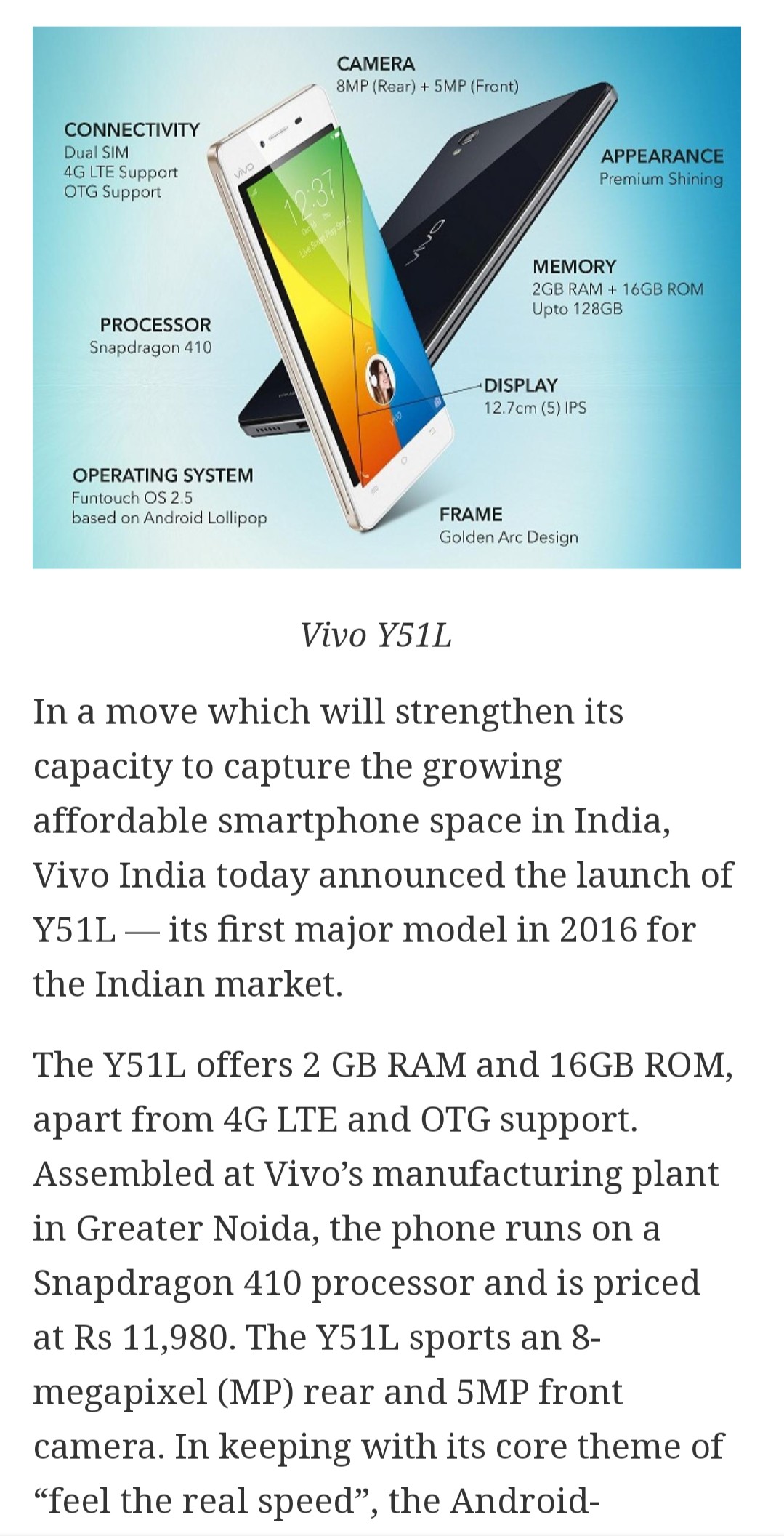
Which is the Vivo 1st phone launched in India

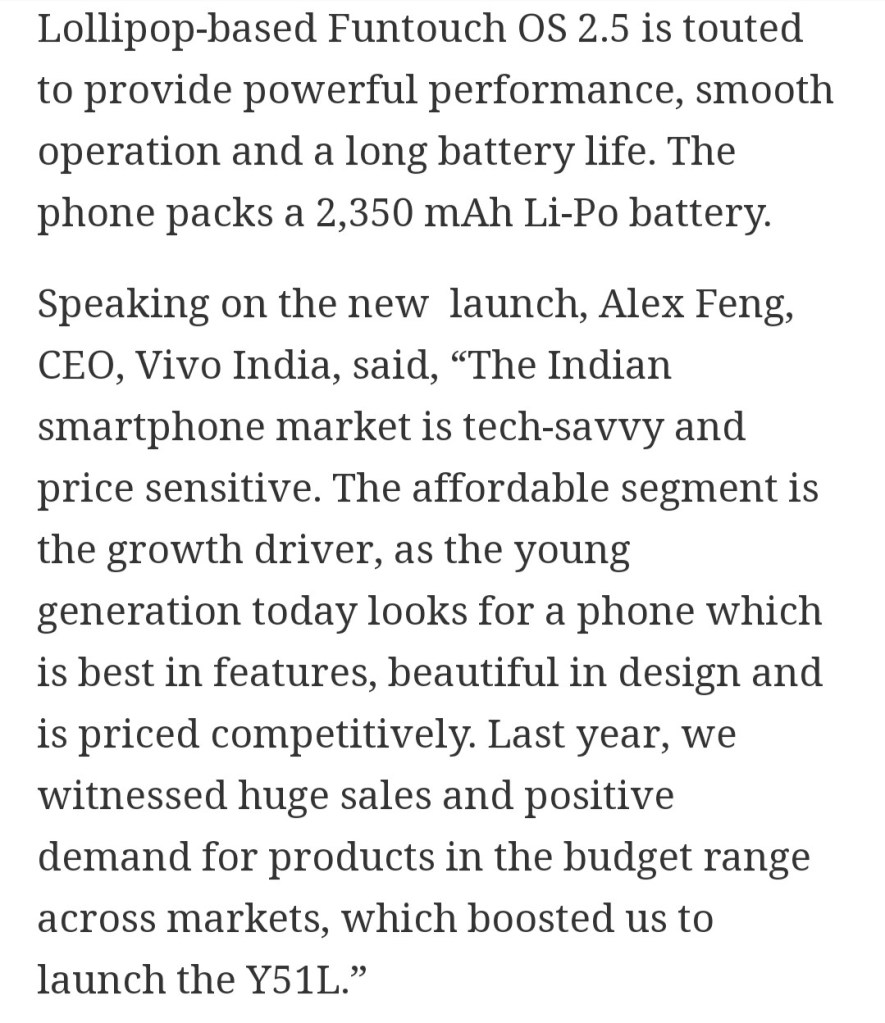
Vivo launches its first India-assembled phone Y51L at Rs 11,980

When Oppo comes in India

A popular mobile brand, most indian love this company and its smartphone. It has a maximum scope un india.

OPPO launched the first mobile phone, the Smile Phone, in 2008, which marks the beginning of a journey to explore and pioneer extraordinary technology. Today, OPPO brings the aesthetics of technology to global consumers through smart devices, ColorOS, and Internet services like OPPO Cloud and OPPO+. We have presence in over 40 countries and regions, and have set up 6 research institutes and 4 R&D centers. We have also established a global design center in London.Together, over 40,000 OPPO employees join their efforts to create beautiful life for people.

* Source: IDC 2016-2017, Q3

OPPO Mobile Photography Technology

  • 201910x Lossless Zoom Technology
  • 20195G Technology
  • 2018Find X Panoramic Arc Screen
  • 2017R11 flagship image processor
  • 20175x Dual Camera Zoom Technology
  • 2016IMX398 sensor
  • 2014Motorized rotating camera
  • 2013Find 7 Ultra-HD photo
  • 2012First selfie phone built-in beautifying feature

10x Lossless Zoom Technology

With 10x lossless zoom, watch as OPPO phone photography advances to the next level. The slim smartphone brings you everything from ultra-wide-angle to telephoto shots, offering you brand new perspectives on landscapes, portraits and more.

5G Technology

OPPO is working with leading global carriers including Swisscom, Telstra, Optus to drive forward the commercial application of 5G. Today, first 5G smartphone has successfully passed 5G CE tests.

Find X Panoramic Arc Screen

OPPO Find X is the world’s first panoramic designed phone, embracing the beauty of nature into a leading technology product. OPPO Find X combines two seamless pieces of glass with the front screen featuring a gorgeous panoramic view.

R11 flagship image processor

OPPO and Qualcomm have made optimizations of the image signal processor with the Snapdragon 660, boasts a faster focus speed than the earlier R9s model, with more vivid colors and also better photographing capabilities in low light.

5x Dual Camera Zoom Technology

In February, OPPO attends Mobile World Congress 2017 in Barcelona and presents the world with the breakthrough 5x Dual Camera Zoom Technology on smartphones.

IMX398 sensor

OPPO launches the R9s and the R9s Plus, with a groundbreaking IMX398 sensor co-developed by OPPO and Sony, and greatly improves low light photo shooting experience.

Motorized rotating camera

OPPO N3, the latest in its N series is unveiled, becomes the world’s first phone with a motorized rotating camera.

Find 7 Ultra-HD photo

Find 7 13 million pixel camera can output up to 50 million pixels into a film.

First selfie phone built-in beautifying feature

With a 5-megapixel front camera and the first built-in beautifying feature, the Ulike 2 becomes a widely popular selfie phone.

Corporate culture

  • UMissionTo let our extraordinary users enjoy the beauty of technology
  • VisionTo become a healthier and sustainable enterprise
  • ValuesBenfen, user-oriented, striving for perfection, result-oriented

Origin of Oppo smartphone

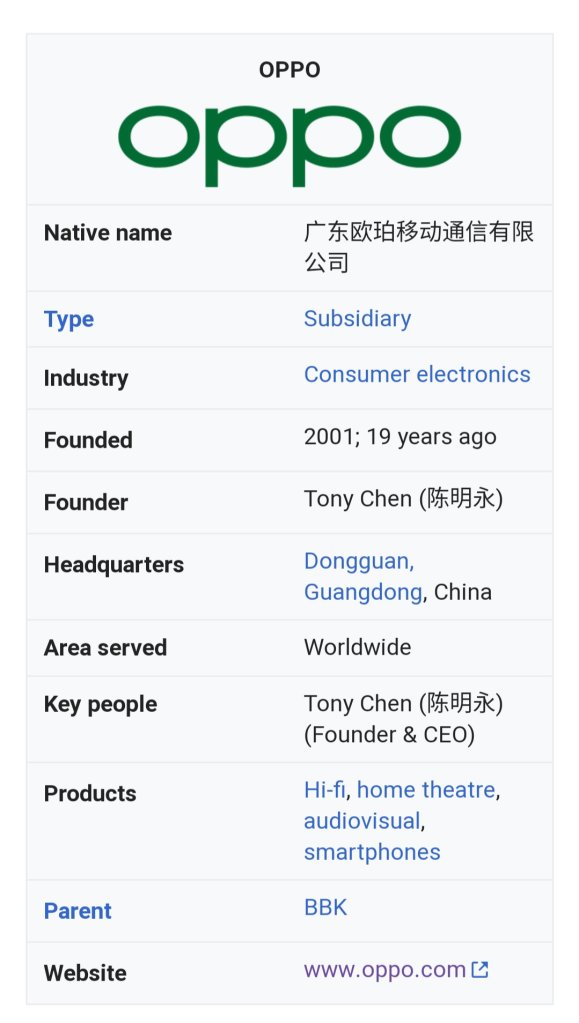
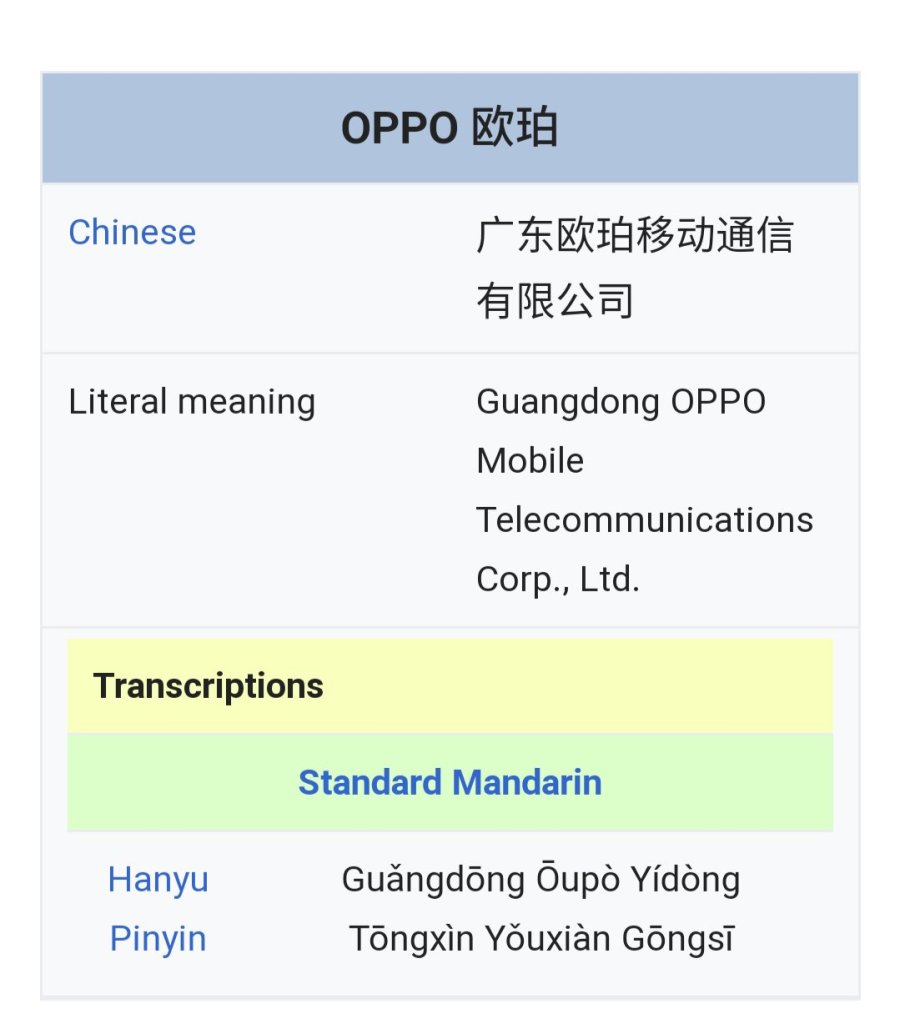
Guangdong OPPO Mobile Telecommunications Corp., Ltd, commonly referred to as OPPO, is a Chinese consumer electronics and mobile communications company headquartered in DongguanGuangdong, in China, and known for its smartphonesBlu-ray players and other electronic devices. A leading manufacturer of smartphones,[1] OPPO was the top smartphone brand in China in 2019 and was ranked No. 5 worldwide.[2] It is a subsidiary of BBK Electronics. It is a part of BBK Electronics Corporation along with OnePlusVivo and Realme.

HistoryEdit

The brand name OPPO was registered in China in 2001 and launched in 2004.[3] Since then, they have expanded to all parts of the world.

In June 2016, OPPO became the biggest smartphone manufacturer in China,[4] selling its phones at more than 200,000 retail outlets.[5]

Branding

OPPO logo used until March 19, 2019 in China and August 2019 in other countries

Korean boy band 2PM prepared a song known as “Follow Your Soul” in a promotional deal with OPPO for launching its brand in Thailand in 2010.[6] In June 2015, the company signed an agreement with FC Barcelona to sponsor the Spanish football club.[7][8][9]

Visit Here also -:

Big Discount

https://amzn.to/2W5m6UJ

https://amzn.to/3bNO5iw

https://amzn.to/3aJCAay

When Nokia comes in India

Lets discuss about

जैसा की हम सब जानते है की नोकिआ ने अपनी महत्वपूर्ण भूमिका निभाई है इंडिया मे !

एक समय था जब नोकिआ पूरी दुनिया मे अपनी धाक जमाया हुआ था और नोकिआ के फ़ोन बहुत ही ज्यादा पसंद किये जाते थे

About Nokia

नोकिया

बहुराष्ट्रीय दूरसंचार, सूचना प्रौद्योगिकी एवं उपभोक्ता इलेक्ट्रॉनिक्स कंपनी

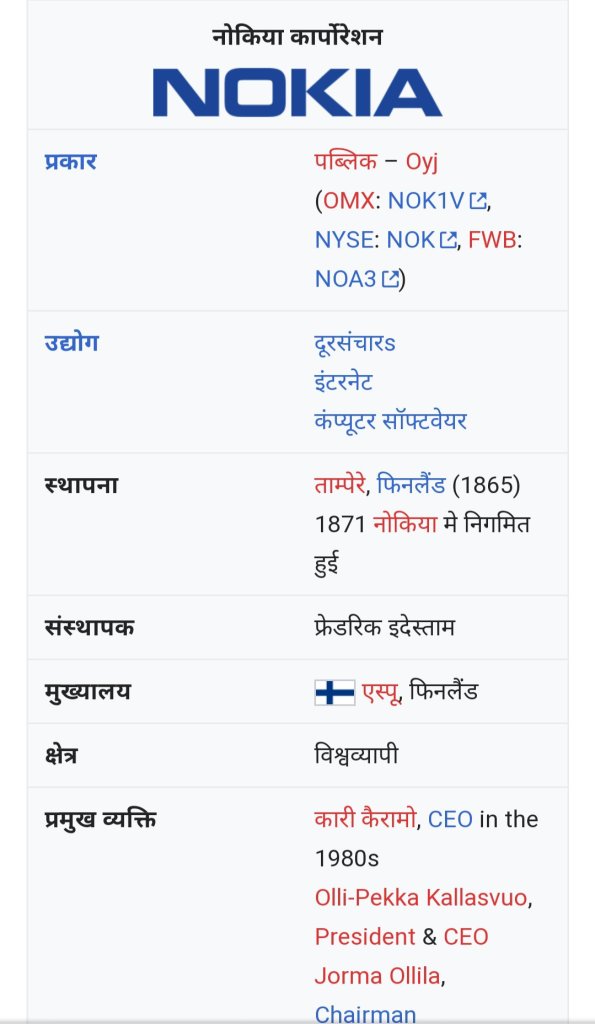
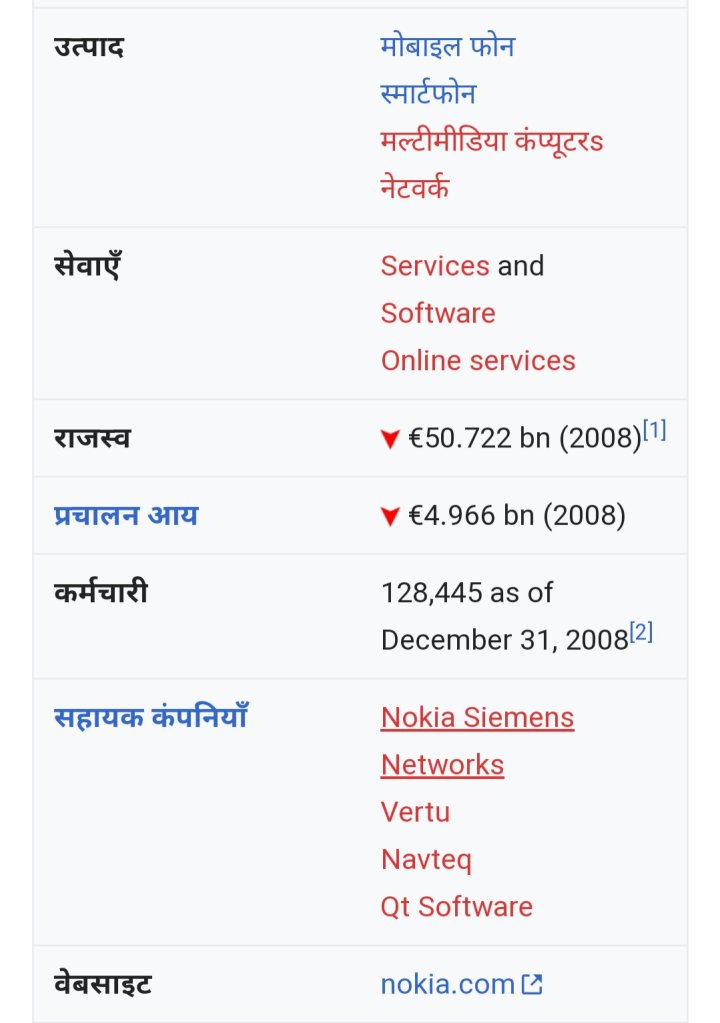
नोकिया कार्पोरेशनफिनलैंड की बहुराष्ट्रीय संचार कंपनी है। इसका मुख्यालय फिनलैंड की राजधानी हेलसिंकी के पड़ोसी शहर कैलानिएमी (Kailaniemi), एस्प्रो में स्थित है। नोकिया मुख्यत: वायरलेस (बेतार) और वायर्ड (तार युक्त) दूरसंचार (टेलीकम्युनिकेशन) पर कार्य करती है। नोकिया में लगभग ११२,२६२ कर्मचारी, १२० अलग-अलग देशों में कार्य करतें हैं | इसका व्यापार १५० विभिन्न देशों में फैला हुआ है, इसकी वैश्विक वार्षिक राजस्व में बिक्री लगभग ५१.१ बिलयन यूरो और परिचालन लाभ लगभग ८.० बिलयन यूरो २००७ में दर्ज की गयी।[3] नोकिया का वैश्विक डिवाइस बाज़ार में हिस्सा २००८ Q3 में ३८% है जबकि ये प्रतिशत २००७ में ३९% था।[4]

नोकिया दुनिया की सबसे बड़ी मोबाइल फोन निर्माता कंपनी है| नोकिया बाज़ार के लगभग सभी खंड (सेगमेंट) और प्रोटोकॉल, सी.डी.एम.ए. (CDMA), जी.एस.एम. (GSM) और डब्ल्यू-सी.डी.एम.ए. (W-CDMA) को मिलाकर, अपने उत्पादों का निर्माण करती है| नोकिया की सहायक कंपनी नोकिया सिमंस नेटवर्क नेटवर्क उपस्कर, समाधान व सेवाओं पर कार्य करती है। इसके हार्डवेयर को अन्य सभी मोबाइल फोन की अपेक्षा अधिक मजबूत माना जाता है

Nokia History

नोकिया की स्थापना सन् १८६५ को दक्षिण-पश्चिमी फिनलैंड के ताम्पेरे शहर के तम्मेर्कोसकी रैपिड्स के तट पर फ्रेडरिक इदेस्तम के द्बारा एक लकड़ी-लुगदी मिल के रूप में हुई। यह कंपनी बाद में नोकिंविरता नदी के पास टाऊन ऑफ़ नोकिया में स्थानांतरित हो गयी। “नोकिया” नाम इसी नदी के नाम पर पड़ा है।

फिनिक्स रबड़ वर्क्स, जिसकी स्थापना बीसवी सदी के आरम्भ मनी हुई, सबसे पहले नोकिया ब्रांड का इस्तेमाल किया|नोकिया ने १९६० के दशक के बाद से व्यापारिक और सैन्य मोबाइल रेडियो संचार प्रौद्योगिकी का निर्माण करना प्रारम्भ कर दिया। नोकिया ने १९७१ में सलोरा के साथ मिलकर फोन का निर्माण किया। नोकिया १४ सालो से विश्व की सबसे बड़ी मोबाइल निर्माता थी पर २७ अप्रैल को सेमसंग ने नोकिया की स्थति गिरा दी और स्वयं पहले स्थान पर आ गयी।

Nokia 1st phone comes in India

When samsung launched first in India

नूडल बेचने से हुई सैमसंग की शुरुआत, जानें मालिक ने क्यों जला दिए थे लाखों फोन

नई दिल्ली (टेक डेस्क)। भारत के प्रधानमंत्री नरेंद्र मोदी और साउथ कोरिया के राष्ट्रपति मून-जे-इन ने भारत में दुनिया के सबसे बड़े मोबाइल मैन्युफैक्चरिंग प्लांट का उद्धाटन कर दिया है। यह प्लांट नोएडा सेक्टर 81 में करीब 35 एकड़ में फैला हुआ है। दिग्गज स्मार्टफोन निर्माता कंपनियों में सैमसंग का नाम भी शुमार है। इसका इतिहास काफी पुराना है। क्या आप जानते हैं कि सैमसंग कंपनी की शुरुआत टेक्नोलॉजी कंपनी के तौर पर नहीं, बल्कि खाद्य पदार्थ बनाने वाली कंपनी के तौर पर हुई थी। इस पोस्ट में हम आपको सैमसंग कंपनी का इतिहास बता रहे हैं।

जानें किस काम से हुई थी सैमसंग की शुरुआत:

इस कंपनी की स्थापना वर्ष 1938 में बायुंग-चुल ली ने की थी। उस समय यह कंपनी नूडल बनाने का सामान, आटा और मछली, चीन समेत अन्य देशों में भेजा करती थी। इसके बाद वर्ष 1950 से लेकर 1960 तक जीवन बीमा और टेक्सटाइल्स सेक्टर में किस्मत आजमाई। इसके बाद वर्ष 1969 में कंपनी ने तकनीकी क्षेत्र में दांव खेला। कंपनी ने इस वर्ष सैमसंग इलेक्ट्रॉनिक्स की शुरुआत की। इस समय कंपनी केवल टीवी बनाती थी। वर्ष 1970 में कंपनी ने अपना पहला ब्लैक एंड व्हाइट टीवी बाजार में लॉन्च किया था।

टीवी बनाने के क्षेत्र में हाथ आजमाने के बाद कंपनी ने वर्ष 1980 में मोबाइल फोन और मेमोरी कार्ड के साथ कंप्यूटर पार्ट्स बनाने का काम शुरु किया। तब से लेकर अब तक कंपनी की ग्रोथ में लगातार बढ़ोतरी ही हुई है जिससे कंपनी दुनिया की दिग्गज तकनीकी कंपनियों में से एक बन गई है।

सैमसंग ने जला दिए थे लाखों फोन:

सैमसंग ने वर्ष 1995 में अपना पहला मोबाइल फोन लॉन्च किया। इस फोन को नए साल के तोहफे के तौर पर बांटा गया था। लेकिन यूजर्स को यह फोन पसंद नहीं आया। यूजर्स के मुताबिक, यह फोन काम नहीं कर रहा था। इस खबर के मिलने के बाद बायुंग-चुल ली ने इन्वेंटरी में पड़े लाखों मोबाइल्स में आग लगा दी थी।

टीवी बनाने के क्षेत्र में हाथ आजमाने के बाद कंपनी ने वर्ष 1980 में मोबाइल फोन और मेमोरी कार्ड के साथ कंप्यूटर पार्ट्स बनाने का काम शुरु किया। तब से लेकर अब तक कंपनी की ग्रोथ में लगातार बढ़ोतरी ही हुई है जिससे कंपनी दुनिया की दिग्गज तकनीकी कंपनियों में से एक बन गई है।

सैमसंग ने जला दिए थे लाखों फोन:

सैमसंग ने वर्ष 1995 में अपना पहला मोबाइल फोन लॉन्च किया। इस फोन को नए साल के तोहफे के तौर पर बांटा गया था। लेकिन यूजर्स को यह फोन पसंद नहीं आया। यूजर्स के मुताबिक, यह फोन काम नहीं कर रहा था। इस खबर के मिलने के बाद बायुंग-चुल ली ने इन्वेंटरी में पड़े लाखों मोबाइल्स में आग लगा दी थी।

Samsung launched first phone in india

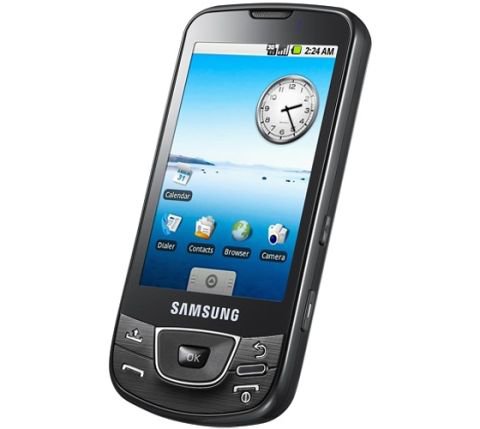
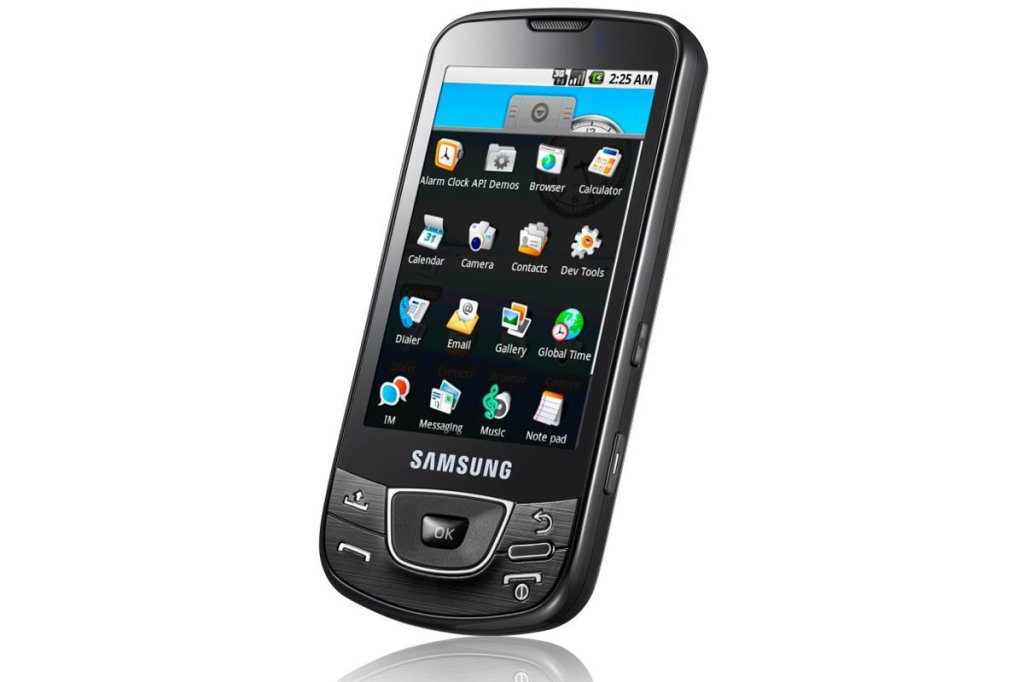
Samsung Galaxy (original)

This article is about the first Samsung Galaxy smartphone announced 27 April 2009. For later devices, see Samsung Galaxy.

The Samsung GT-I7500 Galaxy is a smartphone manufactured by Samsung that uses the open source Android operating system. It was announced on 27 April 2009[2] and was released on 29 June 2009 as the first Android-powered device from Samsung Mobile,[3] and the first in what would become the long Galaxy series. It is succeeded by the Samsung i5700 Galaxy Spica.

Samsung Galaxy (GT-I7500, GT-I7500L)Samsung Galaxy GT-I7500 with a screen protector on

  • Samsung I7500 Galaxyby Samsung
  • Samsung I7500 Galaxy price in India starts from ₹24,000. Take a look at Samsung I7500 Galaxy detailed specifications and features.Samsung I7500 Galaxy Quick SpecificationsSpecificationValueCPU528 MHz, Single Core ProcessorOSAndroid v1.5 (Cupcake)Battery1500 mAh, Li-ion BatteryRAM128 MBRear Camera5 MP with autofocusShow More
  • comparenotify when available
  • Samsung I7500 Galaxy❮❯
  • Samsung I7500 GalaxySamsung I7500 Galaxy
  • ₹24,000
  • 6.9/10
    79Select your rating…10987654321Remove your ratingRate
    Here34Spec
    Score
    • Single Sim, 3G, Wi-Fi
    • Single Core, 528 MHz Processor
    • 128 MB RAM, 8 GB inbuilt
    • 1500 mAh Battery
    • 3.2 inches, 320 x 480 px Display
    • 5 MP Rear Camera
    • Memory Card Supported, upto 16 GB
    • Android v1.5 (Cupcake)
  • Samsung I7500 Galaxy is currently not available in any stores.
  • Samsung I7500 Galaxy Specifications
  • 34SPECS SCOREVery PoorGroup: ₹22,500 to ₹27,500This Phone:34Average:69Maximum:85Honor 30sGroup Rank: #156 out of   154 mobile phonesOverall Rank: #2696 out of   4012 mobile phones
  • Advantages
  • Disadvantages
  • Full SpecificationsGENERALSim TypeSingle Sim, GSMDual Sim NoDevice TypeSmartphoneRelease DateApril, 2009DESIGNDimensions115.9 x 56 x 11.9 mmWeight116 gDesign TypeClassic (Candybar)DISPLAYTypeColor AMOLED screen (16M colors)Touch YesSize3.2 inches, 320 x 480 pixelsAspect Ratio3:2PPI~180 PPIMEMORYPhonebookUnlimitedRAM128 MBStorage8 GBCard Slot Yes, upto 16 GBhttps://tpc.googlesyndication.com/safeframe/1-0-37/html/container.htmlCONNECTIVITYGPRS YesEDGE Yes3G Yes 7.2 Mbps Download 5.76 Mbps UploadWifi Yes, with wifi-hotspotBluetooth Yes, v2.0USB Yes, microUSB v2.0EXTRAGPS YesSensorsAccelerometer, Compass3.5mm Headphone Jack YesCAMERARear Camera 5 MP with autofocusFeaturesGeo taggingFlash Yes, LEDFront Camera NoTECHNICALOSAndroid v1.5 (Cupcake)CPU528 MHz, Single Core ProcessorJava Yes, via 3rd partyBrowser Yes, supports HTMLMULTIMEDIASupportsMMS, Instant Messaging, Voice Recording, CalendarEmail YesMusic MP3, AAC, AAC+, eAAC+, WMA, RAVideo MPEG4, WMV, H.263, H.264FM Radio NoBATTERYTypeRemovable BatterySize1500 mAh, Li-ion BatteryStandBy Time18 days, 14 days on 3GTalk Time560 min, 370 min on 3G
  • Expert Reviews
  • 75EXPERT RATINGGoodBased on 4 ReviewsPositive:3Mixed:0Negative:0
  • Expert Reviews

World’s first phone invention

Dear friends

जैसा की हम हम सब जानते है की आज के दौर मे मोबाइल हमारी एक बहुत बड़ी ज़रूरत बन चुकी है बिना मोबाइल के हमारे आधे से ज्यादा काम नहीं हो पाएंगे.

आज के टाइम हम घर बैठे बैठे अपने ज्यादातर काम घर बैठे ही कर लेते है जोकि इंटरनेट की मदद से संभव है.

क्या आप सभी जानते है को दुनिया का पहला फ़ोन कब और कहा बना. चलिए इस सवाल का जबाब ढूंढ़ते है

जानें विश्व के पहले मोबाइल फोन के बारे में कुछ अनसुनी बातें

मार्टिन कूपर द्वारा 4 अप्रैल 1973 को विश्व के पहले मोबाइल फोन का प्रदर्शन कर दिया गया। मोटोरोला डायनाटेक नाम से प्रदर्शित किया गया यह फोन उस वक्त सिर्फ प्रोटोटाइप ही था उपभोक्ता के लिए उपलब्ध नहीं हुआ था।

मोबाइल फोन बानने की कोशिश द्वितिय विश्व युद्ध के बाद ही शुरू हो गई थी। वर्ष 1947 में अमेरिका में बेल लैब्स ने मोबाइल फोन बनाने का आइडिया दिया। परंतु यह कपंनी गाड़ी के लिए फोन बनाना चाहती थी और इसके लिए लगभग 12 किलोग्राम तक के साजो समान की जरूरत होती। वहीं दूसरी ओर मोटोरोला के इंजीनियर मार्टिन कूपर ने भी एक नया आइडिया पेश किया जो उस वक्त बेल लैब्स के प्रतियोगी भी थे। फेडरल कम्यूनिकेशन कमिशन (एफसीसी) को कूपर का आइडिया पसंद आया और उन्हें फोन बनाने की अनु​मति मिल गई। इस तरह वे मोबाइल फोन के लिए पेटेंट प्राप्त करने में सफल रहे।

1. मार्टिन कूपर द्वारा 4 अप्रैल 1973 को विश्व के पहले मोबाइल फोन का प्रदर्शन कर दिया गया। मोटोरोला डायनाटेक नाम से प्रदर्शित किया गया यह फोन उस वक्त सिर्फ प्रोटोटाइप ही था उपभोक्ता के लिए उपलब्ध नहीं हुआ था।

2. बीबीसी को दिए एक साक्षात्कार के दौरान कूपर ने बताया कि विश्व के पहले फोन से उन्होंने सबसे पहला कॉल अपने प्रतियोगी बेल लैब्स के मुखिया डॉ जोएल एस एंजेल को किया था। उन्होंने कहा जोएल मैं मैर्टी बोल रहा हूं। मैं तुम्हे सेल फोन से कॉल कर रहा हूं जो वास्तविक हैंडहेल्ड प्रोर्टेबल सेलफोन है।

intresting facts about world first mobile phone motorola dynatech 8000x made by martine cooper

व्यवसायिक रूप से मोटोराला का यह फोन डायनाटेक 8000एक्स नाम से दस साल बाद सन 1983 को उपलब्ध हुआ। उस वक्त इस यह मोबाइल फोन बेहद ही महंगा था। उस वक्त मोटोरोला डायनाटेक 8000एक्स की कीमत 3,399 डॉलर थी जो आज भारतीय रुपए में लगभग 2,25,000 रुपए से ज्याद है।

4. बड़े आकार के इस फोन का वजन एक अनुमान के अनुसार 900 से 1,100 ग्राम तक के बीच का था। वहीं इस फोन को पूरी तरह से चार्ज होने में लगभग 10 घंटे का समय लगता था और यह 30 मिनट तक का टॉक टाइम देने में सक्षम था।

5. हालांकि उस वक्त भी मोटोरोला के इस फोन को कई खास फीचर्स से लैस किए गए थे। फोन में कीपैड के साथ लाइट भी था। वहीं फोन में रिडायल और रीकॉल की भी व्यवस्था थी। फोन में 30 नंबर तक सुरक्षित किए जा सकते थे।

6. यह फोन सेल्यूलर नेटवर्क के पहले संस्कण 1जी पर कार्य करता था। बेहतर कनेक्टिविटी के लिए एंटीना भी दिया गया था। लॉन्च के कई साल बाद तक इस फोन ने मोबाइल बाजार में अपनी बादशाहत कायम रखी और मोटोरोला को नंबर एक मोबाइल निर्माता का दर्जा भी दिलाया।

Evolution of Mobile

Hello Good Morning दोस्तों

जैसा की आज हम सभी जानते है की मोबाइल हमारी दिनचर्या का एक हिस्सा बन चूका है आज के समय मे.

आज के समय मे हम घर बैठे ही अपने ज्यादातर काम मोबाइल से कर सकते है मोबाइल आज हमारी बहुत बड़ी ज़रूरत हो चुकी है.

चलिए आज जानते है की मोबाइल का evolution कैसे हुआ.

Mobile Phone Generation क्या है और इसके प्रकार?

शायद आप सभी लोग Mobile Phone का इस्तमाल करते होंगे, लेकिन क्या आप जानते हैं की ये Mobile Phone Generation क्या है, इसके प्रकार और ये कैसे एक generation से दुसरे में बदलता रहता है. इन generations में हो रहे इस बदलाव के कारण ही आप अपने Mobiles से telecommunication और networking के मदद से  आप आसानी से अपने दोस्तों, रिश्तेदारों और प्रियजनों से बातचीत कर पाते हैं.

Telecommunication और networking हमेशा से एक core technology रही है जो की mankind और technology को evolve होने में मदद करती है. अगर इन Mobile generations का advancement नहीं हुआ होता तब आज हम इसके सुविधाओं का लाभ नहीं उठा रहे होते, जैसे की बहुत सारे channels, 3G4G जैसे technology, speed internet इत्यादि.

Mobile generations के technology में जो की आपके cell phones और दुसरे mobile devices में इस्तमाल किया जाता है वो विगत कुछ वर्षों में काफी evolve हुआ है. ये technology की शुरुवात revolutionary 1G (जिसे की सबसे earliest form of voice only network भी माना जाता है) से हुई थी और आज के 4G तक ये पहुँच पाई है और आने वाले समय में हम 5G Technology को भी इस्तमाल करेंगे.

बात यहाँ पर ये उत्पन्न होती है की आखिर इन generations के technology में ऐसे कोन से principles हैं, और ऐसे क्या बदलाव लाया गया है, क्या है इन generations के प्रकार? इसलिए आज मैंने सोचा का क्यूँ न आप लोगों को इन सभी Mobile generation और उसमें इस्तमाल हुई technology के विषय में पूरी जानकारी प्रदान करूँ जिससे आप लोगों की इसे समझने में आसानी हो. साथ में आप भी इसे किसी दुसरे को बता सकें. बिना देरी किये चलिए शुरू करते हैं और जानते हैं की Mobile Generations क्या होता है?

Mobile Phone Generation क्या है?

Mobile Phone Generation Hindi

Mobile Generations का अगर सही माईने में अर्थ समझा जाये तब हम इसे ऐसे generations की series कह सकते हैं जो की प्रति 10 वर्षों में upgrade होता रहता है. जहाँ इसकी शुरुवात 1G (first generation) से हुई थी वहीँ समय के साथ साथ इसमें ऐसे बहुत से बदलाव आये और हमने 2G, 2.5G, 3G जैसे बहुत से पीडियां आयीं लेकिन सभी में upgradation हुईं और वो दुसरे में परिवर्तित होने लगीं. अभी हम 4G technology का इस्तमाल करते हैं, लेकिन क्या आपको ये G का मतलब पता है? यदि नहीं तो कुछ बात नहीं क्यूंकि इसके विषय में हम आगे पूरी अच्छे तरीके से समझेंगे.

अक्सर लोगों को इस ‘G’ के बारे में कुछ भी पता नहीं होता है. वो तो बस इसे इस्तमाल करते हैं क्यूंकि इसे सबके द्वारा इस्तामाल में लाया जाता है. ‘G’ का सही माईने में अर्थ होता है “Generation”, उदहारण के लिए 3G मतलब की Third Generation, वहीँ 4G का मतलब है Fourth Generation. इसमें ये number बस एक representation होता है, technology के evolution का.जैसे जैसे नयी technology का आविस्कर हुआ वैसे वैसे Technology का generation भी बढ़ता चला गया. यदि में अभी की बात करूँ तब अब हम 4th generation of wireless communication technology का इस्तमाल कर रहे हैं. वैसे ये technology की शुरुवात 1G से हुई थी और समय के साथ साथ ये बढती भी चली गयी, 2G, 3G, 4G इसके सब बाद के technologies हैं.

अभी ज्यादातर wireless carriers currently दोनों 4G और 3G technology को support कर रहे हैं, जो की काफी handy है इसलिए की जहाँ पर 4G की coverage नहीं होती है वहां पर 3G speed से काम चल सकता है. अगर हम थोड़ी दृष्टी भूतकाल में डालें तब 1G को सबसे पहले सन 1979 में introduced किया गया, उसके बाद से प्रत्येक 10 वर्षों में एक नयी Mobile generation को release किया जाता आ रहा है. ये सभी technology को mobile carrier और device में इस्तमाल किया जाता है. Generation के हिसाब से उनमें अलग अलग speeds और features होते हैं जो की generation wise बढ़ते ही जाते हैं. आने वाले समय में 5G को launch किया जायेगा

Mobile Generations का अगर सही माईने में अर्थ समझा जाये तब हम इसे ऐसे generations की series कह सकते हैं जो की प्रति 10 वर्षों में upgrade होता रहता है. जहाँ इसकी शुरुवात 1G (first generation) से हुई थी वहीँ समय के साथ साथ इसमें ऐसे बहुत से बदलाव आये और हमने 2G, 2.5G, 3G जैसे बहुत से पीडियां आयीं लेकिन सभी में upgradation हुईं और वो दुसरे में परिवर्तित होने लगीं. अभी हम 4G technology का इस्तमाल करते हैं, लेकिन क्या आपको ये G का मतलब पता है? यदि नहीं तो कुछ बात नहीं क्यूंकि इसके विषय में हम आगे पूरी अच्छे तरीके से समझेंगे.

अक्सर लोगों को इस ‘G’ के बारे में कुछ भी पता नहीं होता है. वो तो बस इसे इस्तमाल करते हैं क्यूंकि इसे सबके द्वारा इस्तामाल में लाया जाता है. ‘G’ का सही माईने में अर्थ होता है “Generation”, उदहारण के लिए 3G मतलब की Third Generation, वहीँ 4G का मतलब है Fourth Generation. इसमें ये number बस एक representation होता है, technology के evolution का.जैसे जैसे नयी technology का आविस्कर हुआ वैसे वैसे Technology का generation भी बढ़ता चला गया. यदि में अभी की बात करूँ तब अब हम 4th generation of wireless communication technology का इस्तमाल कर रहे हैं. वैसे ये technology की शुरुवात 1G से हुई थी और समय के साथ साथ ये बढती भी चली गयी, 2G, 3G, 4G इसके सब बाद के technologies हैं.

अभी ज्यादातर wireless carriers currently दोनों 4G और 3G technology को support कर रहे हैं, जो की काफी handy है इसलिए की जहाँ पर 4G की coverage नहीं होती है वहां पर 3G speed से काम चल सकता है. अगर हम थोड़ी दृष्टी भूतकाल में डालें तब 1G को सबसे पहले सन 1979 में introduced किया गया, उसके बाद से प्रत्येक 10 वर्षों में एक नयी Mobile generation को release किया जाता आ रहा है. ये सभी technology को mobile carrier और device में इस्तमाल किया जाता है. Generation के हिसाब से उनमें अलग अलग speeds और features होते हैं जो की generation wise बढ़ते ही जाते हैं. आने वाले समय में 5G को launch किया जायेगा

Design a site like this with WordPress.com
Get started